Maldivian alumnae spearhead regional alumni consultation on disability-inclusive practices
Posted: 25 June 2026
On 9 April 2026, more than 60 Australia Awards alumni from across South Asia and Mongolia came together for an online workshop and regional consultation hosted by the Equity for All alumni network. The session marked an important step in strengthening alumni-led collaboration on inclusive development, with a focus on advancing practical approaches to disability inclusion.
Alumna Yasmin Rasheed, Programme Specialist in Governance at the United Nations Development Programme (UNDP) Maldives, led the session, which showcased the UNDP Maldives Standard Operating Procedures for engaging people with disability and organisations of people with disability. The consultation brought together diverse alumni working across multiple sectors, including government, justice systems, education, healthcare and development.
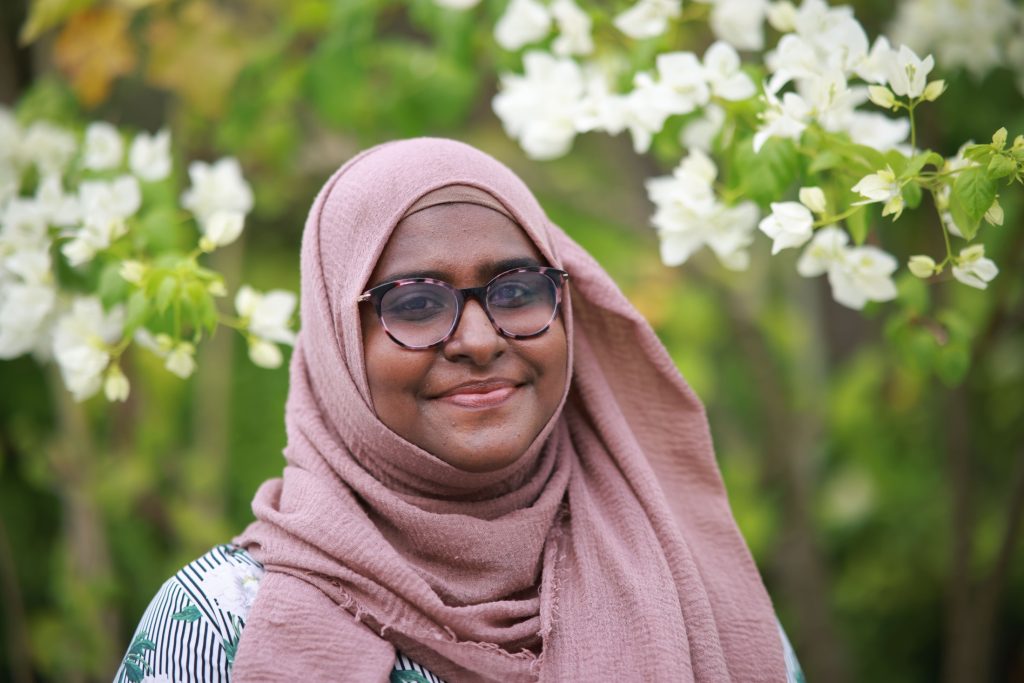
Maldivian alumna Yasmin, who led the session.
During the consultation, Yasmin highlighted a crucial message: while global frameworks such as the Sustainable Development Goals emphasise disability inclusion, meaningful change depends on how inclusion is implemented in everyday practice. Drawing on UNDP Maldives’ experience, she introduced the Standard Operating Procedures as a practical tool to translate policy commitments into actionable steps. The guidance in the procedures focuses on two core areas—disability-inclusive meetings and communications—and is grounded in three key principles: universal design, accessibility and reasonable accommodation.
Participants in the session were guided through a life-cycle approach to inclusive meetings, covering accessible invitations that proactively ask about participants’ needs; inclusive preparation, including interpretation, assistive technologies and flexible planning; accessible venues and platforms that address physical, auditory, visual and cognitive barriers; and inclusive facilitation to ensure that all participants can engage meaningfully. Yasmin’s presentation emphasised that inclusion is not a one-off action but a continuous process, where even small adjustments can significantly shape participation and enable more equitable engagement.
Following the presentation, alumni engaged in breakout discussions, facilitated by Maldivian alumnae Hamna Shareef, Ayesha Junaina Faisal and Yumnu Shareef. These discussions provided a space for participants to reflect on the Standard Operating Procedures and share experiences from their own professional contexts. The interactive format allowed alumni to explore both the opportunities and the challenges of implementing inclusive practices in different sectors and country contexts. Across the groups, several common themes emerged around improving accessibility and inclusion in practice.
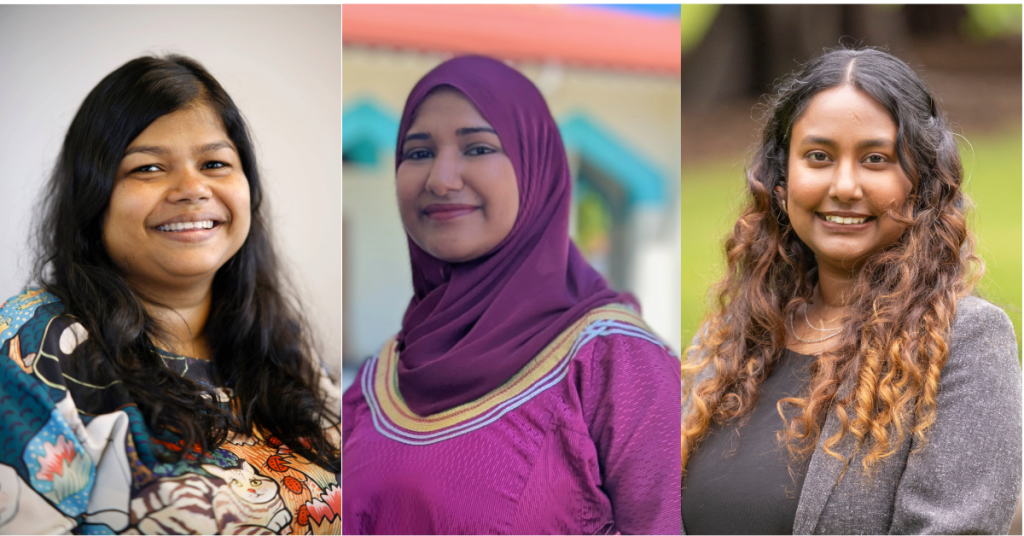
Maldivian alumnae (Left to right) Hamna, Ayesha, and Yumnu, who facilitated the breakout sessions.
Participants highlighted the importance of expanding guidance beyond meetings to include formal settings such as courts, healthcare and education, where accessibility remains limited. In particular, alumni in the justice sector noted persistent challenges due to infrastructure and resource constraints. At the same time, there was a strong focus on the need to strengthen digital inclusion as online engagement becomes more common. Practical suggestions on this front included recording meetings and providing transcripts; using visual aids such as flowcharts and simplified materials (particularly for people with intellectual disability); ensuring that platforms support captioning, screen readers and other assistive technologies; and sharing materials in advance in accessible formats. Participants also emphasised the importance of addressing language barriers, with examples of real-time translation improving inclusivity in multilingual contexts.
Reflecting on the value of the session, Pakistani alumna Sarwat Ara (Education and Youth Advisor at GIZ Pakistan) said, “Today’s session made me realise that having inclusive Standard Operating Procedures in place not only recognises the diverse needs within or outside our organisations, but is also a constant reminder […] that equity is not just a concept but a commitment to be practically achieved.”
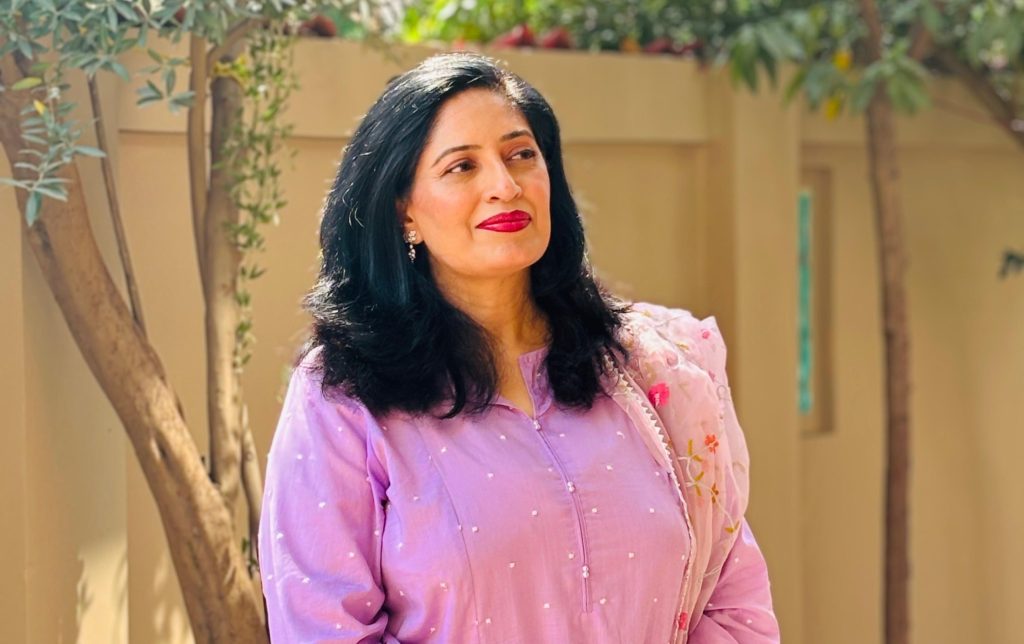
Pakistani alumna Sarwat, who shared her thoughts on the session.
The Equity for All alumni network is a member-led initiative under Australia Awards – South Asia & Mongolia. It brings together alumni who are passionate about advancing equity for people with disability and marginalised communities across the region. Through shared knowledge, collaboration and innovation, this network creates a powerful platform for inclusive development.