

Scholars strengthen visual storytelling skills to amplify impact
Posted: 31 July 2026
Australia Awards scholars gain more than a world-class education. Through complementary professional development opportunities, they build the communication and leadership skills needed to translate knowledge into impact. One such recent opportunity was a two-part Visual Storytelling for Impact workshop that Australia Awards – South Asia & Mongolia delivered in April 2026, bringing together more than 60 scholars from across the region.
Visual storytelling is an increasingly valuable skill, helping scholars communicate complex ideas, showcase development outcomes and engage diverse audiences through compelling images and personal stories. The workshop was designed to support this capability by strengthening scholars’ visual storytelling skills, enabling them to communicate their experiences, achievements and outcomes through compelling images and meaningful narratives.
Drawing on extensive experience in media, communications and visual storytelling, facilitators Neil Bennett and Tim Winkler led the two workshop sessions. Through a combination of presentations, practical examples and interactive discussions, they demonstrated how scholars can use photography to communicate experiences, achievements and development outcomes in an engaging and authentic way.
The first session explored the key elements of effective visual storytelling and how images can be used to communicate ideas, experiences and impact. Participants examined techniques for taking stronger photographs, planning a cohesive story, tailoring content for different audiences, and writing captions that add context and meaning. The session also highlighted the importance of obtaining informed consent, applying ethical photography practices and complying with Australia Awards photographic requirements.
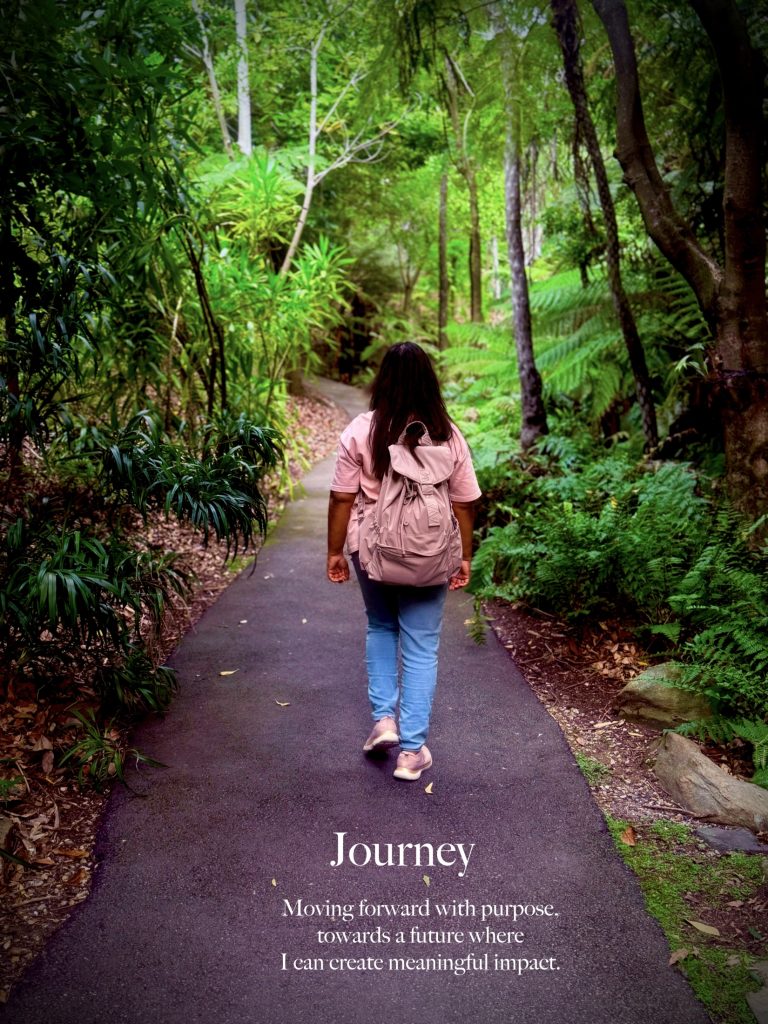
Sri Lankan scholar Dilanka Wickramasinghe shared this photo as one of a series reflecting on her experience as an Australia Awards scholar.
Following the first session, scholars were encouraged to apply their learning through a hands-on photography exercise. Participants were asked to submit a small collection of images reflecting how Australia Awards had influenced their personal, academic or professional journey. These submissions formed the basis of discussion and feedback during the follow-up session.

Neil Bennett praised the clever use of composition in this photo submitted by Bangladeshi scholar Nahid Sultana, and how the “diagonal line intrigues the eye”.
At the second session, the trainers showcased select images submitted by scholars. This process involved examining more than 40 photos from 19 different scholars in depth, creating a collaborative and reflective space. Scholars shared the stories behind their images—why they captured the moment, the message they intended to communicate and the outcomes represented. The trainers provided expert feedback on composition, lighting, framing and the strategic use of imagery for impactful storytelling. This format was welcomed by the participants, with Mongolian scholar Chantsalsuren Galbaatar commenting that “receiving personalised feedback on a wide variety of images with explanations helped me notice details I had never paid attention to before and gave me a new perspective on photography and storytelling”.
The workshop resonated strongly with scholars seeking to deepen their professional communication skills. Bangladeshi scholar Nahid Nawrin Sultana said, “The workshop strengthened my ability to use visual storytelling as a tool for meaningful communication. I gained practical skills to create authentic, people-centred stories that can inspire action and highlight development impact across diverse communities.”
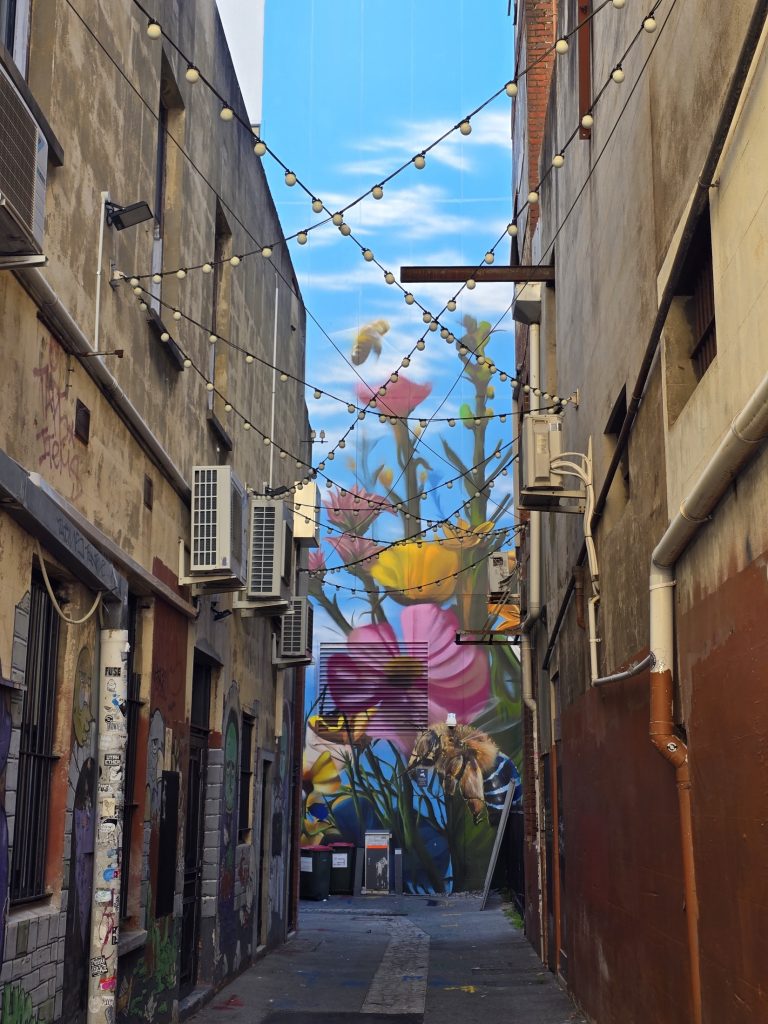
Tim Winkler praised the character captured in Bangladeshi scholar Md Ahsanul Kabir’s photo and the wit of its caption: A laneway with more personality than many LinkedIn bios.
Several participants reflected on how the workshop broadened their understanding of visual storytelling. Bangladeshi scholar Nazmun Nahar described it as “an inspiring workshop that transformed the way I see photography; not merely as capturing images, but as preserving emotions, telling meaningful stories and giving wings to imagination”. Fellow Bangladeshi scholar Anjan Roy added, “The session didn’t just teach us the techniques; it really helped us grasp the core philosophy behind a visual story.”
Reflecting on the overall experience, Sri Lankan scholar Rathnayaka Mudiyanselage Dhananjani Pushpamali said, “I learnt how effective visual storytelling can make ideas more memorable and meaningful, and I felt encouraged to think more creatively.” Pakistani scholar Shamsa Yousaf added, “The workshops taught me that storytelling isn’t just about what you see; it’s about how you show it.”
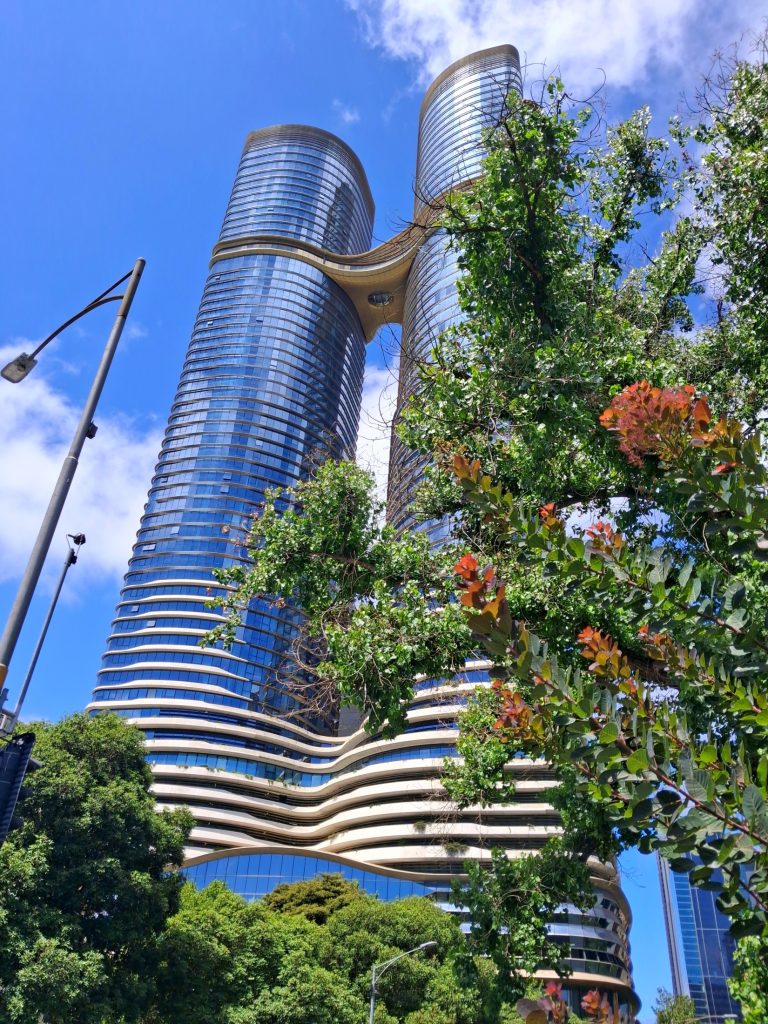
Neil described this photo by Sri Lankan scholar Suganja as a beautiful depiction of how green spaces existed alongside large modern buildings in Melbourne. In the text submitted with it, Suganja shared “It is the perfect starting point for a first Melbourne adventure, where modern architecture meets historic greenery.”
Participants also highlighted the practical value of the training. Sri Lankan scholar Weerasinghe Mudiyanselage Dinusha Nisansala Karunathilake described visual storytelling as “a powerful tool for creating connection and driving meaningful change”, adding that she was excited to use these skills to make public initiatives “more accessible, engaging and impactful for the communities we serve”. Mongolian scholar Solongo Erdenebat also reflected on the importance of authenticity, noting that “effective visual storytelling is not just about taking beautiful photos but about capturing authentic moments from the right perspective to then create meaningful emotional connections with the audience”.

Neil Bennet praised Mongolian scholar Solongo Erdenebat’s use of leading lines to the Australian flag in this photo of Sydney’s Anzac Bridge.
The visual storytelling workshops supported scholars to prepare entries for the Through My Eyes: Learning from First Nations Australians photo competition, marking NAIDOC Week and International Day of the World’s Indigenous Peoples.
Feature photo, from left to right: Sri Lankan participant, Weerasinghe Mudiyanselage Dinusha Nisansala Karunathilake, Mongolian participant, Solongo Erdenebat, and Bangladeshi participant, Anjan Roy.