

Alumni and scholars promote community wellbeing to mark World Mental Health Day
Posted: 5 November 2026
On 14 October 2026, Australia Awards – South Asia & Mongolia, Australia Awards Myanmar and Australia Awards – Timor-Leste jointly hosted an online panel discussion to mark World Mental Health Day 2026. More than 100 Australia Awards alumni and scholars from across the three programs joined the event, which provided a platform for participants to share experiences, explore common challenges, and discuss practical approaches to building resilient communities through greater mental health awareness, inclusion and support.
Through diverse perspectives from across the region, the discussion highlighted the important role that individuals, families, educators, community leaders and institutions play in promoting mental wellbeing and creating environments where people can thrive.
The session was moderated by Mariyam Nuhaa, a scholar from Maldives and a scholar ambassador, who is currently studying a Master of Social Work at Griffith University. Drawing on her academic and professional interest in community wellbeing, social inclusion and mental health, Mariyam guided an engaging discussion that encouraged both panellists and participants to reflect on effective ways to build stronger and more resilient communities.

Scholar Mariyam from Maldives.
The panel featured four Australia Awards alumni and scholars who brought diverse perspectives and experiences from various countries covered by the three Australia Awards programs.
The first panellist was alumna Nurunnahar Nupur from Bangladesh, who completed a Master of Education (Special Education) at Flinders University in 2019. She is the Founder and Managing Director of Positive Thinking and is widely recognised for her work promoting disability inclusion and supporting children with disability and their families.
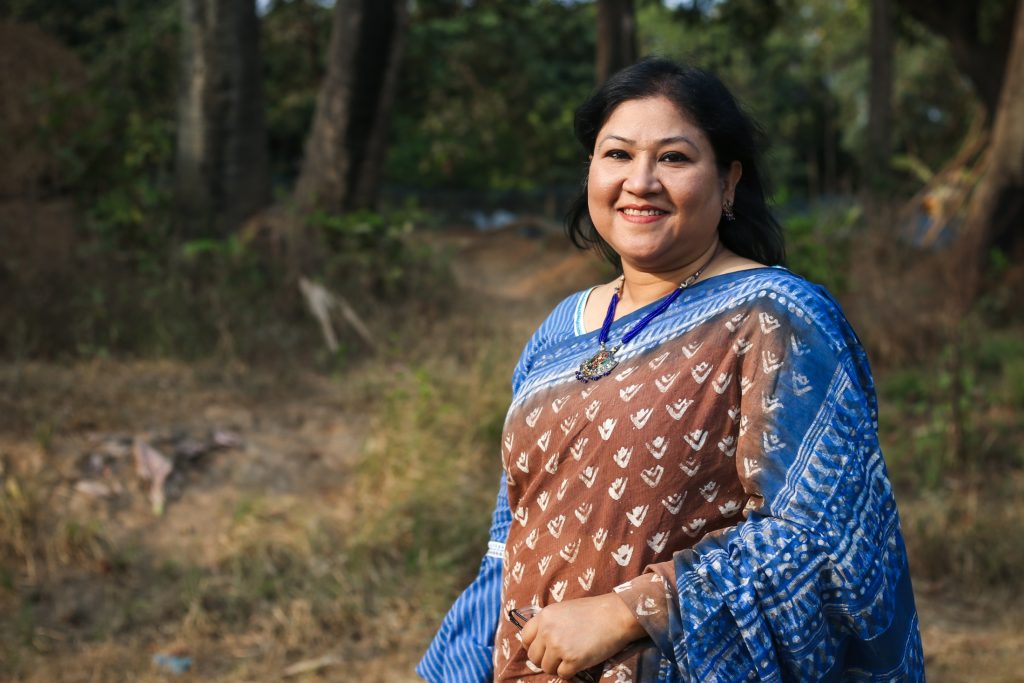
Alumna Nurunnahar from Bangladesh.
Drawing on this experience, Nupur highlighted the importance of supporting caregivers and creating community systems that reduce isolation. She emphasised that resilient communities are built when families are connected to support networks, inclusive environments and coordinated services. Her insights reinforced the need to shift from focusing solely on individual challenges to strengthening the wider community structures that enable everyone to thrive.
The second panellist was Manil Raj Maharjan, an Australia Awards alumnus who completed a Master of Counselling, Rehabilitation and Mental Health at La Trobe University in 2025. He currently serves as Senior Manager at TPO Nepal, where he leads mental health and psychosocial support initiatives across communities in Nepal.
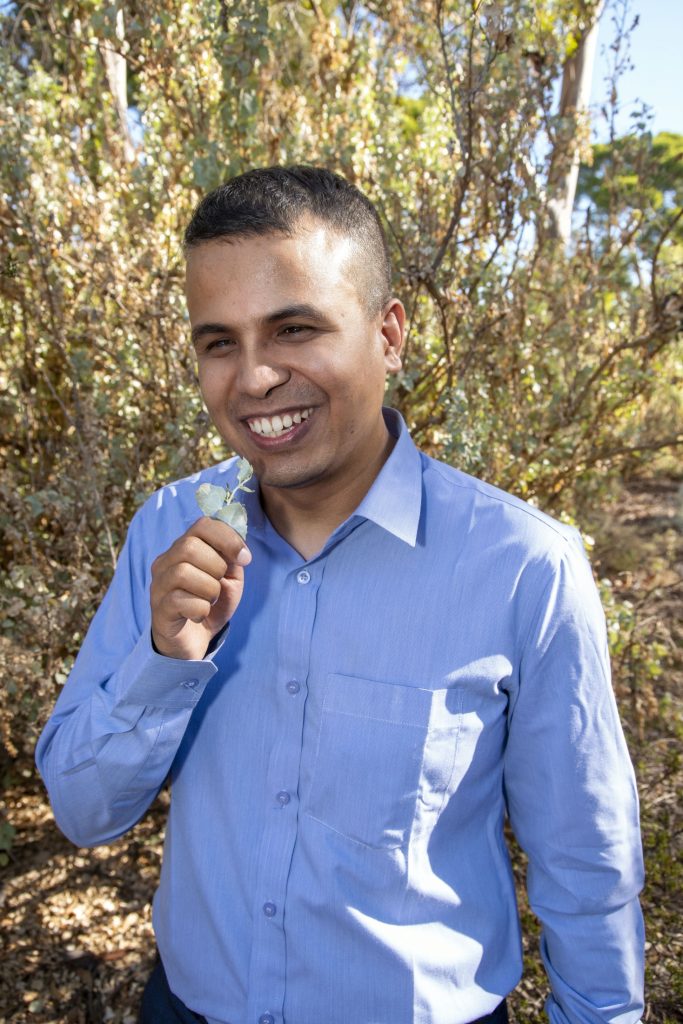
Alum Manil from Nepal.
Manil shared practical examples of community-based mental health initiatives that have successfully increased access to support services. He discussed the value of peer support groups, community volunteers, mental health helplines and public awareness campaigns in bringing support closer to people, particularly in rural areas. His reflections demonstrated how local partnerships and community engagement can make mental health services more accessible and responsive.
Both Nupur and Manil are also current members of Australia Awards – South Asia & Mongolia’s Alumni Disability Advisory Group.
The next panellist was scholar Angelo Menezes Guterres Aparicio from Timor-Leste, who is currently undertaking a Doctor of Philosophy in Psychology at Swinburne University, specialising in clinical and forensic psychology. He previously completed undergraduate studies in psychology and sociology, as well as a master’s degree in forensic psychology.
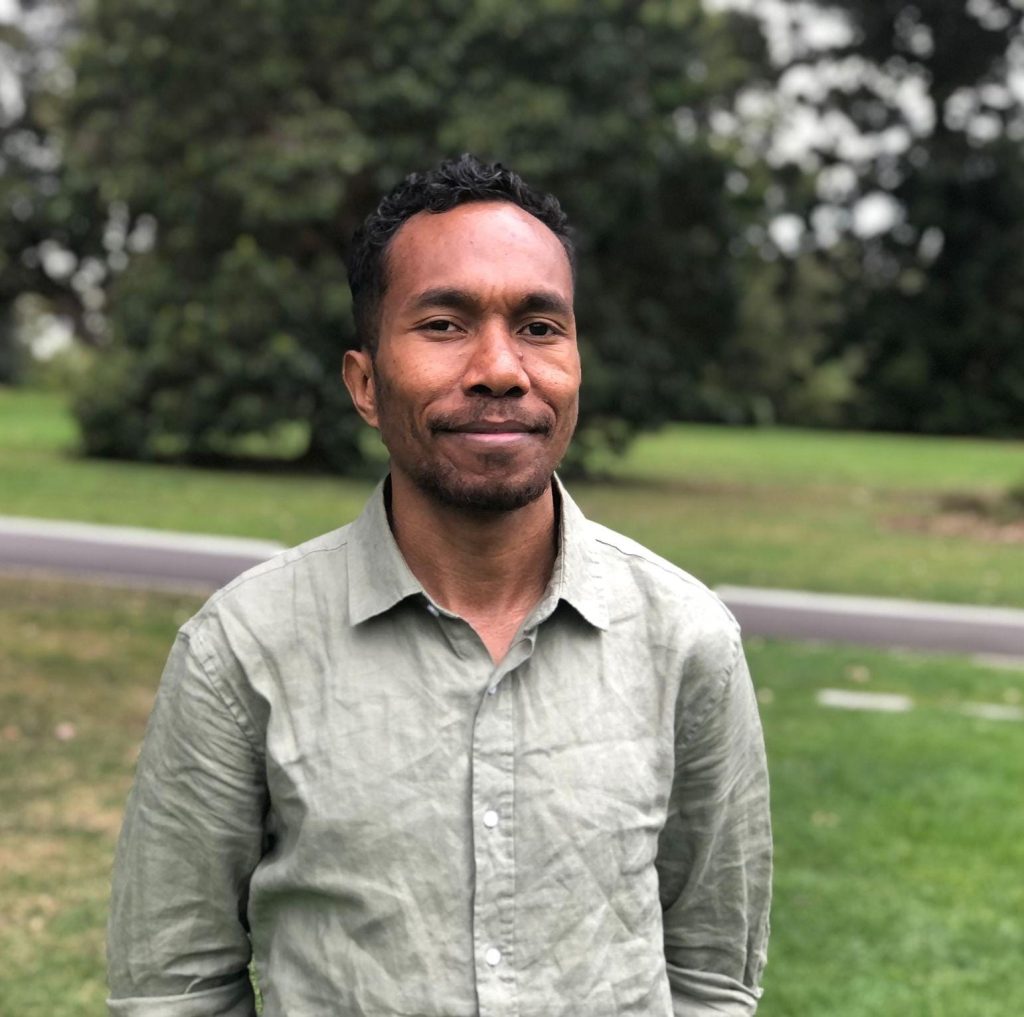
Scholar Angelo from Timor-Leste.
Angelo provided valuable perspectives from Timor-Leste, where mental health stigma remains a significant challenge. He stressed the importance of listening without judgement and creating safe spaces where people feel comfortable discussing their experiences. Angelo encouraged participants to view mental health as a shared responsibility, highlighting the role that families, friends and communities can play in supporting wellbeing and challenging harmful misconceptions.
The final panellist was alumna Iang Tha Chin Sung from Myanmar, who completed an Australia Awards Short Course on Inclusive Education in 2025. Chin Sung currently works as Project Manager at Karuna Mission Social Solidarity Hakha. Through her Australia Awards experience and professional work in education and community development, she supports inclusive learning environments and community-based education initiatives across Chin State.

Alumna Iang Tha Chin Sung from Myanmar.
Drawing from her work in Myanmar’s education sector, Chin Sung spoke about the need to integrate mental health and wellbeing into teaching and learning environments. She reflected on the importance of equipping teachers and community volunteers with the skills to recognise signs of distress and support students effectively. Her contribution highlighted the role schools can play in fostering safe, inclusive and supportive environments, particularly during periods of uncertainty and change.
The discussion generated strong engagement from participants across the region, with audience members’ questions covering topics such as mental health funding, advocacy, service delivery and community awareness. A recurring theme throughout the conversation was the importance of finding innovative and locally driven solutions in contexts where resources are limited.
Panellists shared examples of incorporating mental health awareness into existing community, education and social development activities, as well as mobilising volunteers and local networks to expand support services. Participants also discussed the importance of government advocacy, public awareness campaigns and community leadership in strengthening mental health systems over time. The exchange of experiences and ideas highlighted the value of regional learning and demonstrated the collective commitment of Australia Awards scholars, alumni and partners to advancing mental wellbeing in their individual domains.
The event showcased the strength of the Australia Awards network in bringing together diverse perspectives and practical experiences from across South Asia, Mongolia, Myanmar and Timor-Leste. Through continued dialogue, collaboration and community-led action, Australia Awards alumni and scholars are helping to create more inclusive, supportive and resilient communities throughout the region.