

Indigenous wisdom and alumni leadership shaping climate action futures
Posted: 4 August 2026
On 23 July 2026, the Climate Action Working Group hosted a panel discussion on ‘Indigenous Wisdom and Leadership in Climate Action’. The purpose of the online discussion was to reflect on the critical role of Indigenous communities in addressing climate challenges, aligning with both World Environment Day and the upcoming International Day of the World’s Indigenous Peoples. The event brought together Australia Awards alumni and staff from South Asia & Mongolia, Africa and South‑East Asia, creating a diverse platform for knowledge‑sharing. The session was moderated by Aditi Pathak, an alumna from India and Joint Director at the Government of India’s Ministry of Finance, who guided the conversation with four distinguished panellists: Alice Tamang, Jhuma Dewan, Pratikshya Paneru and Kabin Maharjan.
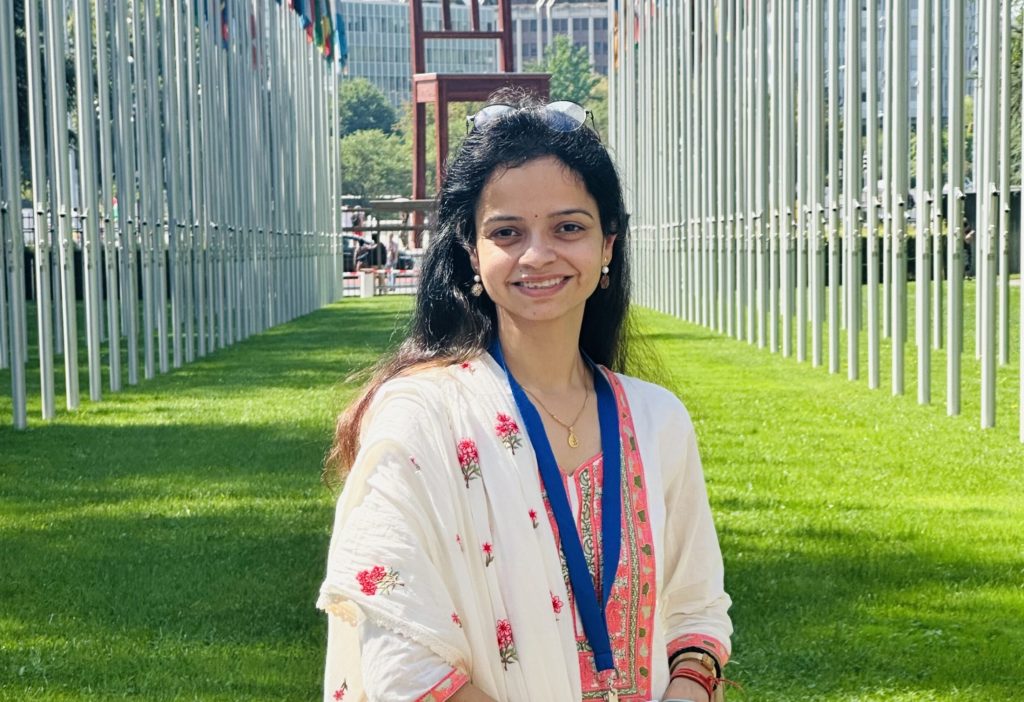
Moderator and alumna from India, Aditi Pathak.
The first panellist, Alice Tamang, Indigenous Engagement Adviser with Australia Awards – South Asia & Mongolia and Managing Director – Connecting Cultures International, spoke about Indigenous knowledge in climate action. She described Indigenous knowledge as a living, evolving system rooted in place and refined through generations of observation. Alice highlighted the use of seasonal calendars, which track environmental changes beyond the Western four‑season model, and explained how these are increasingly combined with scientific climate monitoring.
For her, caring for Country means recognising land as inseparable from ancestors, stories and cultural practices, with healthy land ensuring healthy communities. She illustrated this by discussing cultural burning, a process that involves low‑intensity fires that reduce fuel loads and protect biodiversity, and by talking about the work of more than 300 Indigenous ranger groups in Australia, who blend ancestral wisdom with modern tools like drones and artificial intelligence. Alice concluded that climate action is strongest when Indigenous knowledge and scientific approaches work together, not only in ecological practices but also in governance and leadership, ensuring that Indigenous voices guide a just and sustainable future.
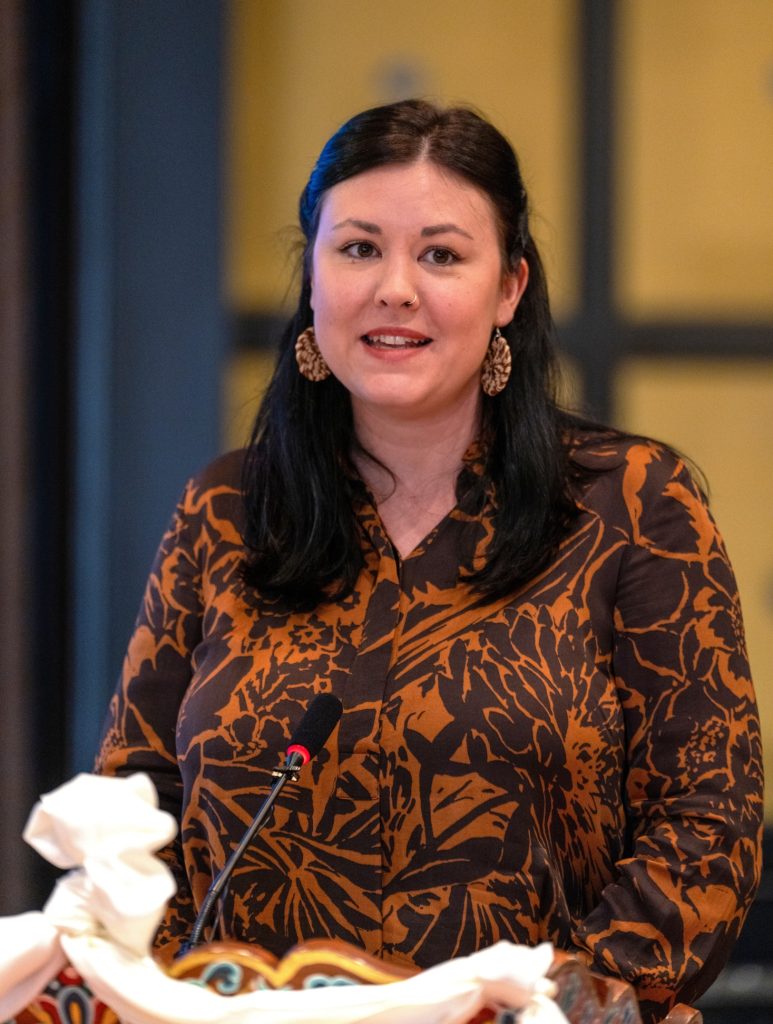
Panellist Alice Tamang.
The second panellist, Jhuma Dewan, an alumna from Bangladesh, discussed youth and intergenerational leadership. She focused on the role of Indigenous youth in the Chittagong Hill Tracts, where intergenerational leadership is vital for climate adaptation and biodiversity conservation. Jhuma explained that elders pass down ancestral wisdom—such as medicinal plant knowledge, customary laws and forest stewardship—while youth document, innovate and advocate for sustainable practices. This collaboration strengthens community resilience, sustains peace in a politically sensitive region and ensures cultural continuity.
As examples, she mentioned activities such as sustainable shifting cultivation (jhum), bamboo structures to prevent soil erosion, seed preservation and the protection of village common forests. Youth in the area are blending traditional practices with modern tools such as 3D modelling, renewable energy and social media to raise awareness and drive innovation. They also engage in wildlife rescue, biodiversity monitoring and climate advocacy. Jhuma concluded that climate resilience grows strongest when ancestral wisdom and youth-driven innovation work together, creating inclusive leadership and sustainable futures.
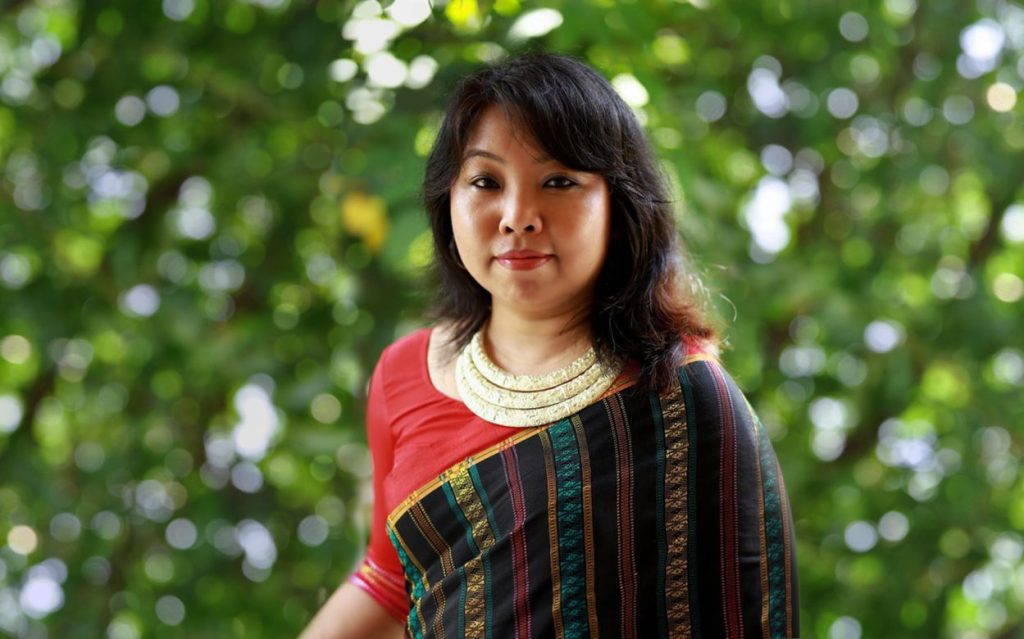
Panellist and Bangladeshi alumna, Jhuma Dewan.
The third panellist, Pratikshya Paneru, an alum from Nepal, spoke on the topic of community‑driven forest stewardship. She centred her discussion on the importance of Indigenous and local communities in managing community forests, which involves balancing livelihoods with conservation. Pratikshya highlighted how women, often custodians of traditional ecological knowledge, play a critical role in managing water, forests and food systems, while also bearing the brunt of climate impacts. Their leadership extends beyond household resilience to community‑wide adaptation, which sees ancestral practices combined with modern innovations to safeguard biodiversity and livelihoods.
She shared examples of women leading grassroots initiatives in sustainable farming, seed preservation and community‑based disaster preparedness. These efforts demonstrate how Indigenous women bridge generational wisdom with contemporary tools, ensuring that climate solutions are inclusive and culturally grounded. Pratikshya concluded that empowering women’s leadership is essential for resilient communities, as their voices and knowledge systems provide both practical strategies and moral guidance for a just climate future.

Panellist and alum from Nepal, Pratikshya Paneru.
The final panellist, Kabin Maharjan, another alum from Nepal, discussed blending scientific and Indigenous knowledge for grounded climate risk reduction in Nepal’s mountain regions. He explained that Nepal is highly vulnerable to climate hazards yet faces significant data limitations when trying to establish links between extreme events and climate change. In this context, Indigenous knowledge—rooted in generations of close observation of local environments—provides valuable insights that complement scientific approaches, particularly in areas where formal monitoring is scarce.
Kabin illustrated this through examples such as climate attribution studies, anticipatory action and nature‑based solutions, showing how Indigenous practices can fill gaps in scientific data and make adaptation strategies more locally relevant. He emphasised that the goal is not to compare science and traditional knowledge, but to integrate them so that communities can better understand and prepare for climate extremes. His conclusion was clear: resilience in Nepal’s mountains depends on recognising the added value of Indigenous wisdom alongside modern science, ensuring that climate action is both credible and grounded in local realities.
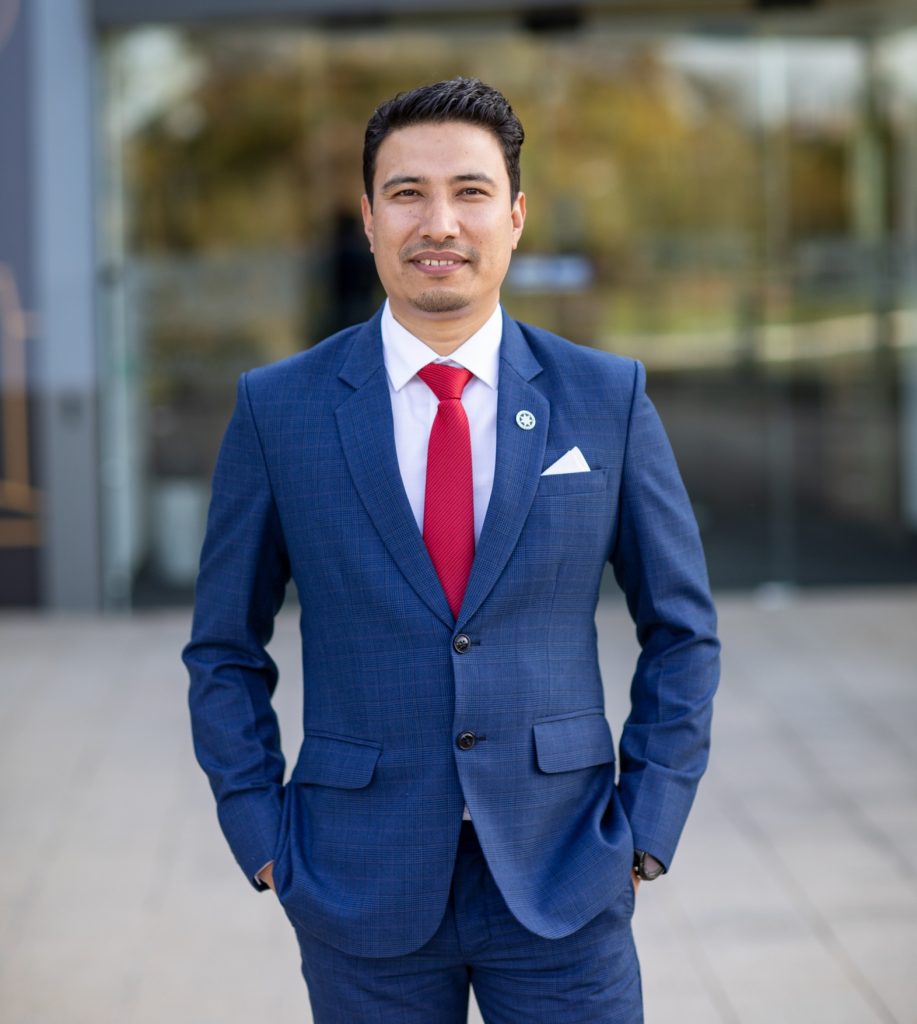
Panellist and alum from Nepal, Kabin Maharjan.
During the Q&A that followed the presentations, participants explored how Indigenous knowledge could be formally integrated into national climate policies, the challenges of documenting oral traditions without losing cultural nuance and the role of youth networks in scaling community‑based initiatives. Questions also touched on how women’s leadership in forest stewardship could be better supported through inclusive governance structures, and how scientific institutions might collaborate respectfully with Indigenous communities to co‑produce knowledge.
The session concluded with a shared understanding that climate action is most effective when Indigenous knowledge and scientific approaches are brought together. It underscored the vital role of youth and women as leaders of innovation and resilience, the importance of community‑driven stewardship in balancing conservation with livelihoods, and the need for respectful partnerships that place Indigenous voices at the heart of decision‑making. Collectively, the dialogue affirmed that Indigenous wisdom is indispensable for shaping climate solutions that are equitable, sustainable and deeply rooted in local realities.