

Scholars explore intersectionality through a GEDSI lens
Posted: 14 October 2026
How do policies, programs and services change when we consider who is missing from the conversation? That question was at the centre of two gender equality, disability and social inclusion (GEDSI) enrichment workshops delivered by Australia Awards – South Asia & Mongolia on 8 and 15 September. The online sessions brought together 40 scholars from Bangladesh, Bhutan, Maldives, Mongolia, Nepal, Pakistan and Sri Lanka to explore intersectionality and how it can be applied in research and professional practice.
Dr Anu Mundkur, GEDSI Adviser for Australia Awards – South Asia & Mongolia, facilitated both sessions, which explored how social norms, systems and individual circumstances can influence participation and opportunity, and how an intersectional lens can help identify barriers to inclusion.
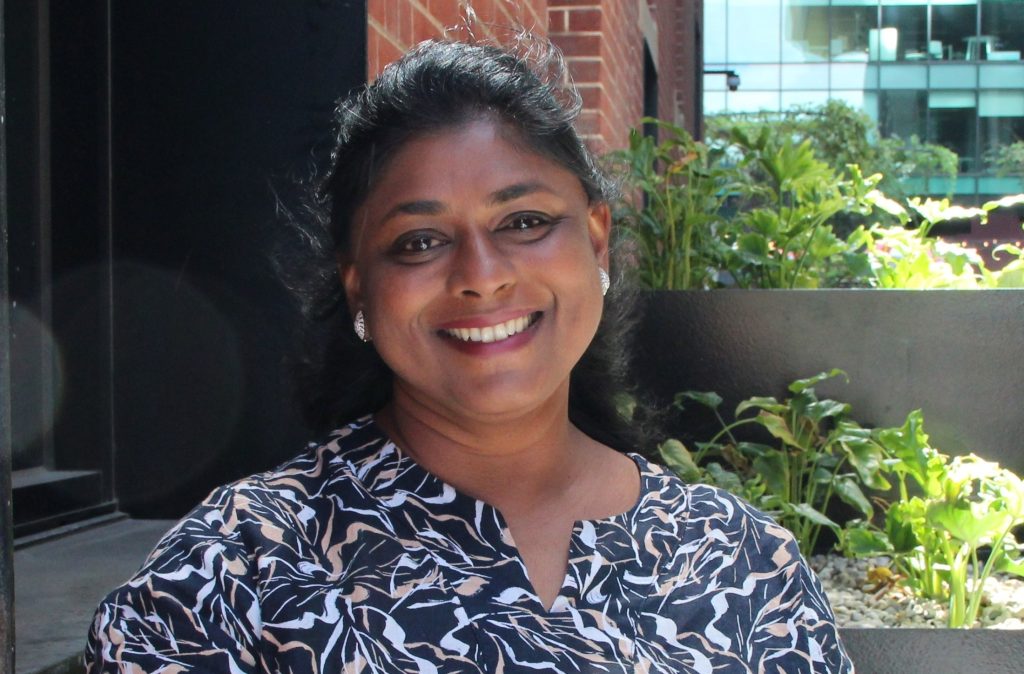
Session facilitator, Dr Mundkur.
Through case studies and facilitated discussions, participants reflected on how barriers can affect people differently depending on factors such as disability, gender, socioeconomic circumstances and geographic location. Scholars were encouraged to consider whose perspectives may be missing from decision-making processes and how more inclusive approaches can be built into their work.
One activity challenged the workshop participants to examine the impacts of flooding across different communities. The exercise highlighted how access to information, services and recovery support can vary significantly, even among people affected by the same event.
For scholar Solongo Erdenebat from Mongolia, who is pursuing a Master of Public Health (Extension) / Master of Health Leadership and Management dual degree at the University of New South Wales, one of the most valuable lessons was learning practical ways to identify exclusion that may otherwise go unnoticed.
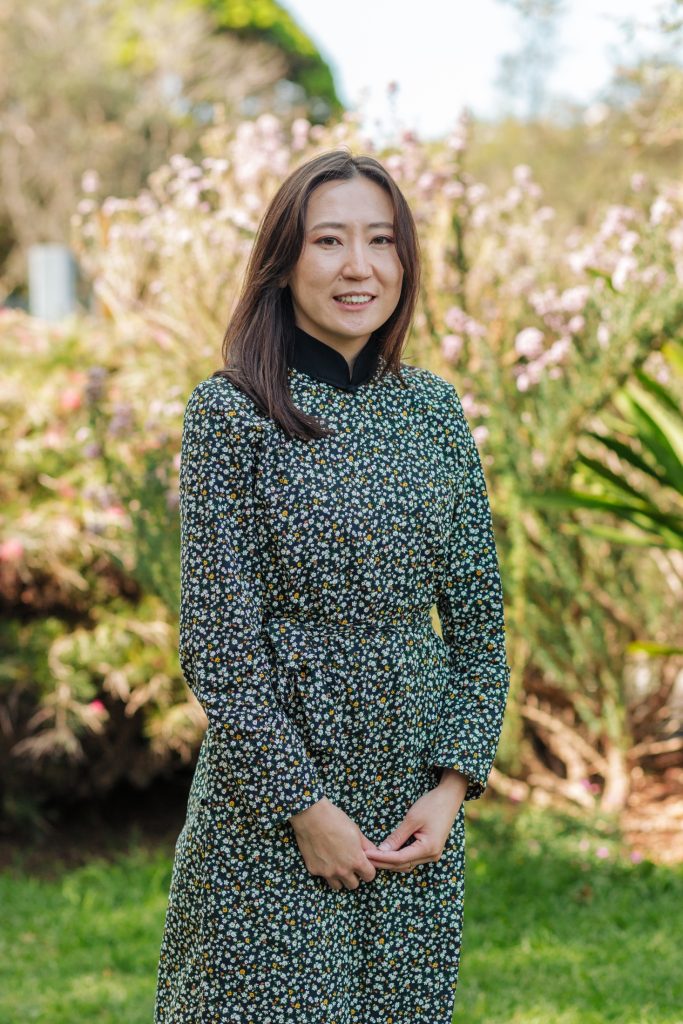
Scholar Solongo from Mongolia.
“The most valuable part of the workshop was learning to ‘stay curious’ and use mapping to identify where exclusion may be happening,” she said. “In everyday life, we do not always notice who is being left out. Applying this approach throughout the entire research process from research design to implementation will help make research more inclusive and ensure that people from diverse backgrounds and experiences have a stronger voice.”
The workshops prompted scholars to reflect on how they could apply an intersectional lens within their own fields. In the education field, for example, the workshop participants discussed ways to strengthen the participation of students with disability and their families in assessment processes. In climate adaptation, scholars considered how consultation processes could better recognise the knowledge and contributions of rural women farmers. Those in other fields reflected on how participant recruitment, policy consultations and research design could be adapted to ensure a wider range of perspectives are represented.
Scholar Shakthi Meenakshi Ratnakumaran from Sri Lanka, who is studying a Master of Energy and Resources Law at the University of Melbourne, drew attention to gaps in the transition to sustainable energy.
Shakthi said, “In the path to energy transition, women are being left out. Women are not perceived as homeowners who would consider solar panels, or as capable of understanding the technology behind them. Therefore, I would change products and information in the market claiming to address the energy transition gap to specifically cater to women. Otherwise, we will be moving forward with half the population left behind.”
For scholar Nadunie Thathsaranie Wanigasinghe from Sri Lanka, who is pursuing a Master of Public Policy and Management at the University of Melbourne, the discussions highlighted barriers faced by women with disability in policy consultation processes in Sri Lanka.
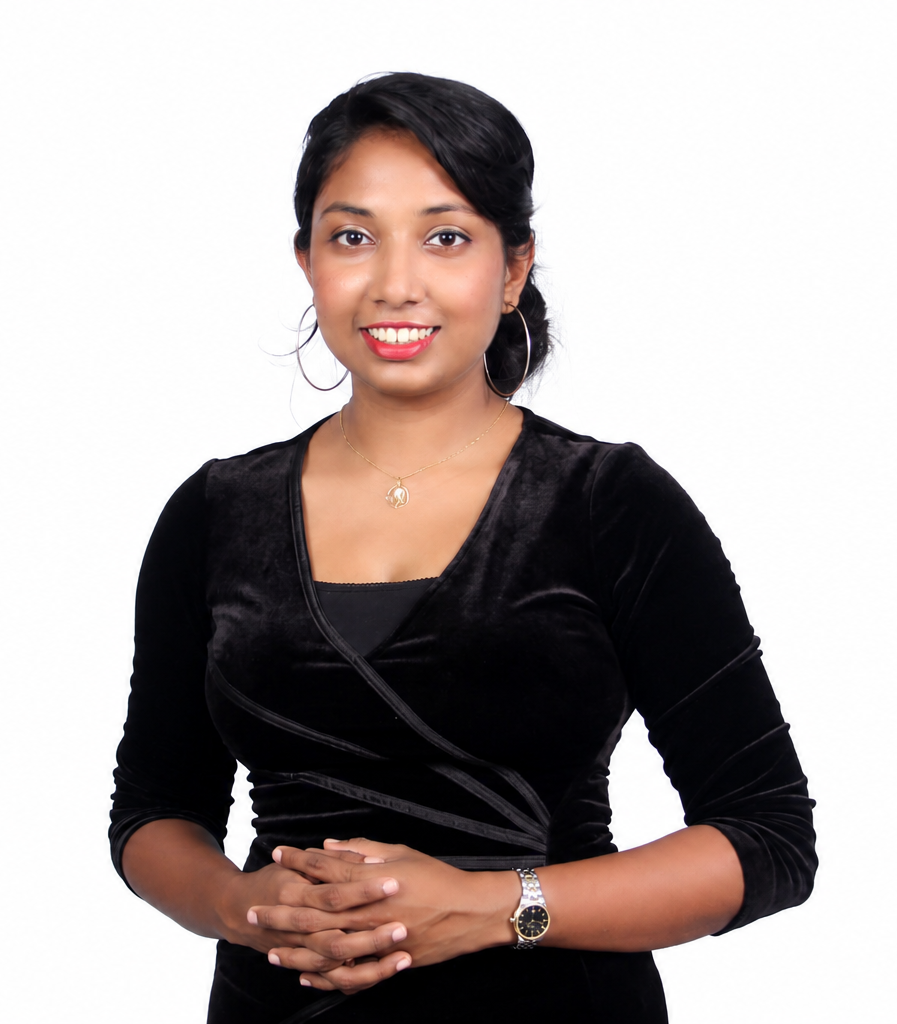
Scholar Nadunie from Sri Lanka.
“I noticed that women with disability, particularly those from rural or low-income communities, can be less visible in policy consultation processes in Sri Lanka,” she said. “Consultation systems assume equal access to transport, digital technology, accessible information and opportunities to participate. I would change consultation design to provide multiple accessible channels and include underrepresented groups in policymaking.”
Scholar Bhagya Devagiri, who is studying a Master of Speech Pathology at Curtin University and worked in the disability sector before receiving her Scholarship, spoke about how the learning from these workshops could inform speech and language therapy services in Sri Lanka.
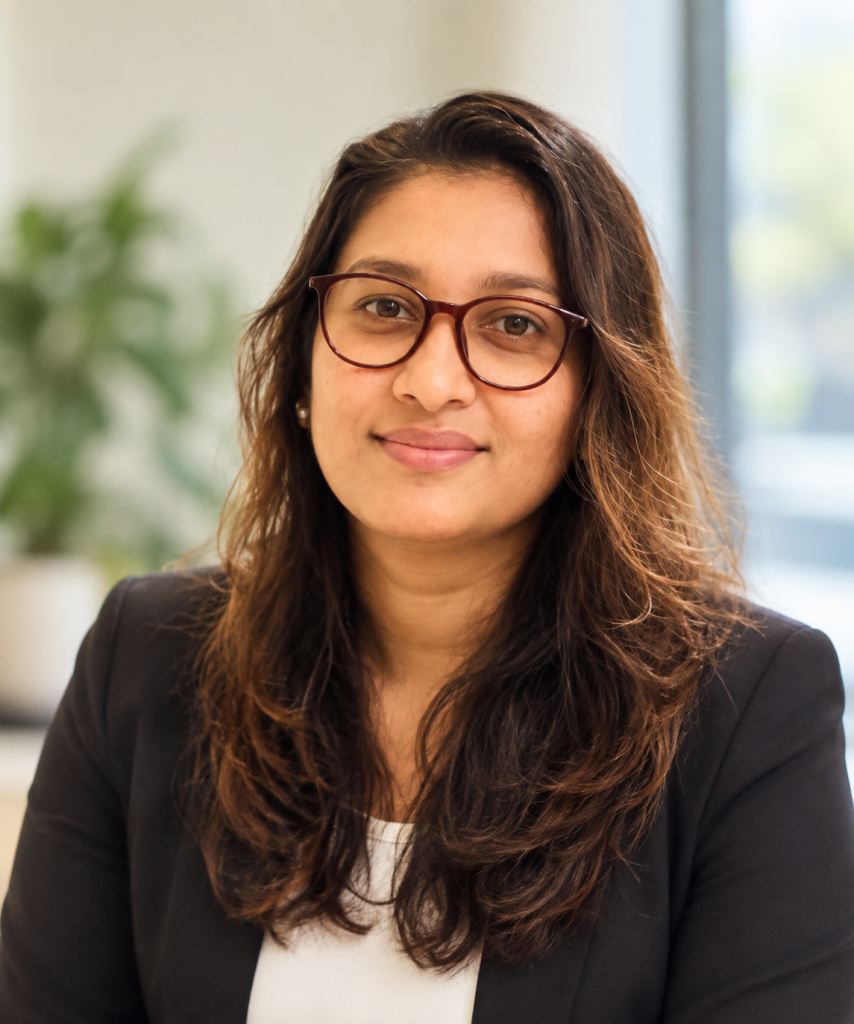
Scholar Bhagya from Sri Lanka.
She said, “People may sometimes see speech and language difficulties as something that will simply improve with time, rather than something that requires intervention. I would change my practice by involving families and communities in decision-making, increasing awareness of speech and language therapy, and developing accessible services, such as community-based and telehealth rehabilitation.”
The workshops concluded with an introduction to the Intersectional Practice Cycle, a framework that encourages practitioners to identify power dynamics, strengthen evidence, engage affected communities and consider how decisions may affect different groups.
Reflecting on the Intersectional Practice Cycle, scholar Tshering Yangzom from Bhutan, who is studying a Master of Inclusive and Specialised Education at Flinders University, highlighted the framework’s relevance to her work in education.
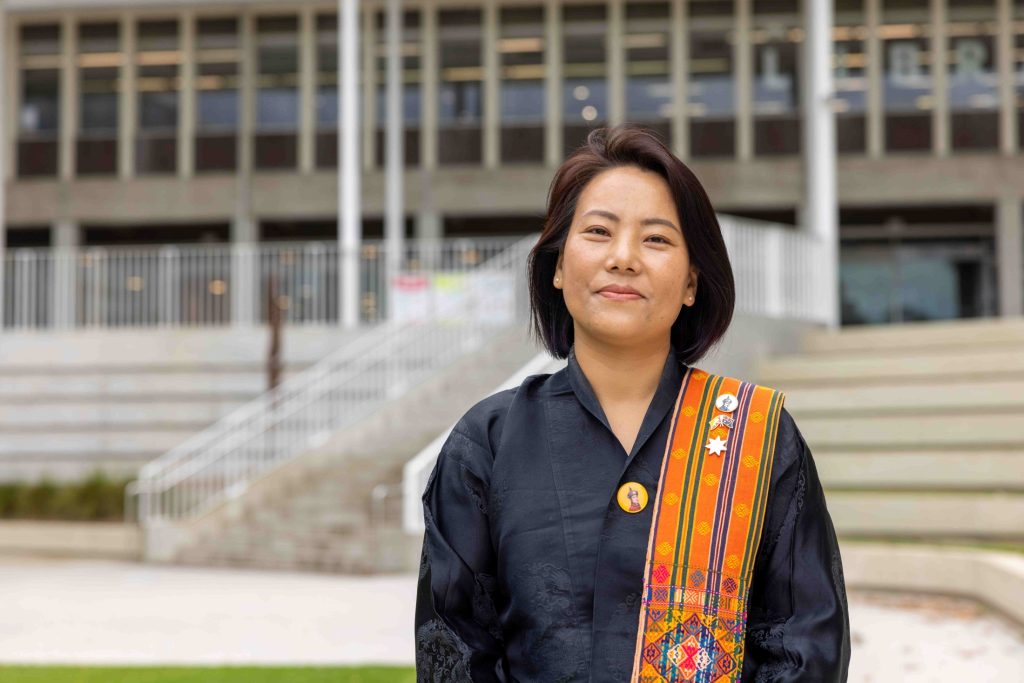
Scholar Tshering from Bhutan.
Tshering said, “I am deeply inspired by the wisdom shared by Dr Mundkur on gender and intersectionality. The topic on an Intersectional Practice Cycle will remain with me as guiding principles in learning, applying and contributing towards the transformation of an inclusive education system in Bhutan.”
By exploring intersectionality through practical examples and their own professional experiences, scholars strengthened their ability to identify barriers, incorporate diverse perspectives, and support more inclusive approaches in research, policy and practice.