

Alumni strengthen skills to navigate workplace resistance to social progress
Posted: 1 July 2026
On 16 June 2026, Australia Awards – South Asia & Mongolia hosted an online regional alumni workshop on the topic of gender equality, disability and social inclusion (GEDSI), titled ‘Dealing with Resistance in the Workplace’. The session aimed to deepen alumni’s understanding of one of the most persistent challenges faced by those advancing inclusive development: resistance to change. A total of 80 alumni participated in the session, representing a wide range of sectors, including government, civil society, finance, development and academia.
Dr Anuradha (Anu) Mundkur, GEDSI Adviser for Australia Awards – South Asia & Mongolia, facilitated the session. Drawing on both research and practice, Anu—a gender and development specialist with more than two decades of experience across policy, research and program implementation—guided participants through an interactive session that combined conceptual frameworks with real-world application.
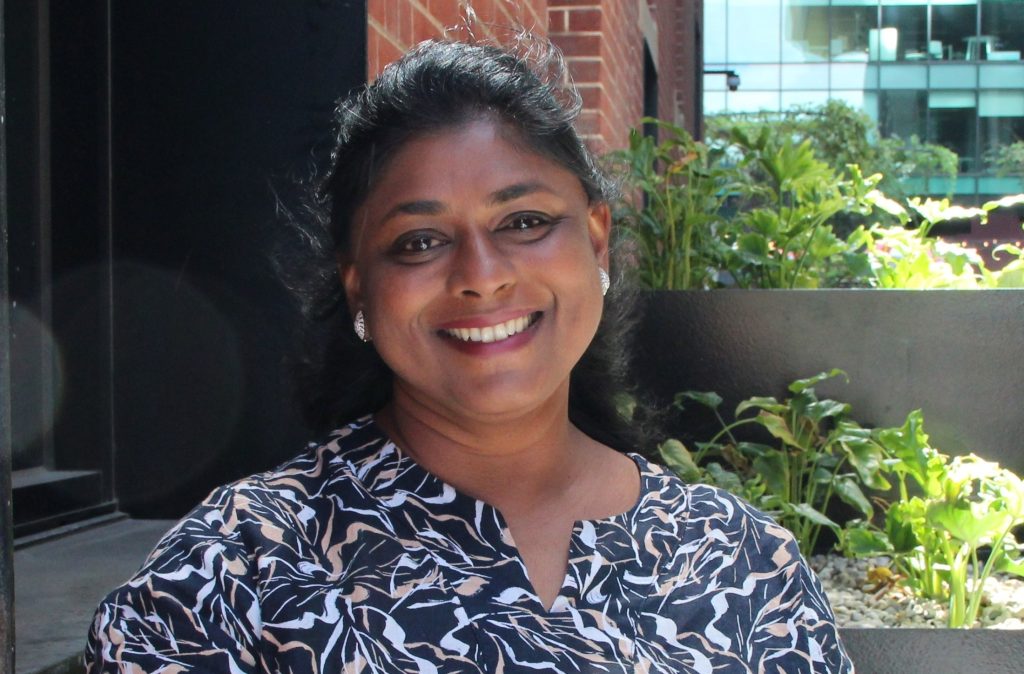
Session facilitator, Anu.
The workshop focused on reframing resistance as an integral part of social change rather than an obstacle. Early in the session, Anu invited participants to share whether they had experienced resistance in their workplace. The overwhelming majority responded affirmatively, highlighting that resistance is a common and often unavoidable experience when promoting progressive ideas such as gender equality and social inclusion.
Anu explained that resistance often stems from attempts to maintain existing power structures and privileges. She emphasised that resistance can be a positive signal, indicating that efforts to challenge entrenched norms are gaining traction. This shift in perspective encouraged alumni to view resistance not as a setback, but instead as an opportunity to engage more strategically.
A key concept introduced during the session was the Resistance Spectrum, which maps the different ways that resistance can manifest—ranging from subtle and passive behaviours to more overt and aggressive forms. Anu described how resistance can appear as denial of a problem, disavowal of responsibility, or inaction through delays and lack of prioritisation. It can also take more complex forms, such as appeasement, where superficial support masks a lack of meaningful action, or co-option, where the language of equality is used to undermine its original intent. At the more extreme end, resistance may escalate into repression or backlash, including hostility towards those advocating for change.
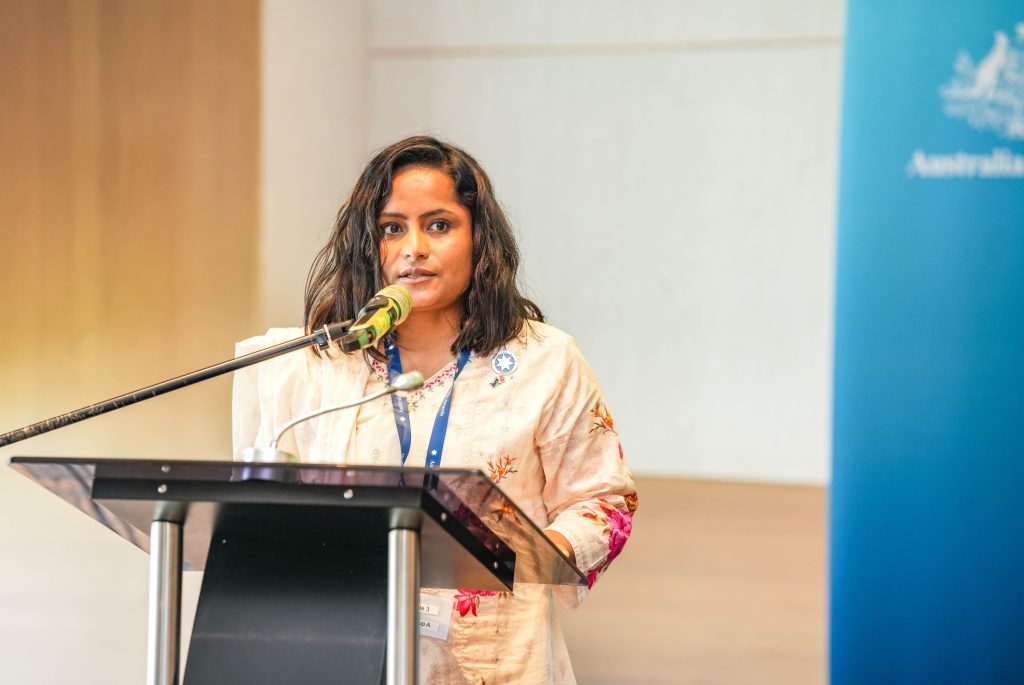
Nepali alum Nisha speaking at the 2025 Regional Alumni Workshop in Colombo.
The session also explored the underlying drivers of resistance. These include fear of change, uncertainty about outcomes, lack of understanding, and perceived threats to status or power. Importantly, Anu highlighted that these drivers can differ depending on individuals and organisational contexts, meaning that responses must be tailored rather than uniform.
Another important theme was the need to shift focus towards the ‘movable middle’—those who are not strongly opposed to change but are not yet fully committed. Participants learnt that engaging this group strategically, rather than concentrating efforts solely on those who are already supportive or firmly resistant, can have a greater impact on building momentum for inclusive practices.
The workshop concluded with a Q&A session, where alumni shared practical challenges from their own contexts. Conversations focused on addressing resistance in male-dominated workplaces, where perceptions of fairness and merit can hinder gender equality efforts. In response, Anu pointed out the importance of aligning GEDSI messaging with organisational priorities, while critically examining the concepts behind the resistance. Participants also discussed promoting inclusive representation in traditional societies, including balancing gender equality with LGBTQI+ inclusion. Anu emphasised the need to involve marginalised voices from the outset, while ensuring safe engagement spaces. The discussion reinforced the importance of strategic alliances, tailored communication and prioritising wellbeing when navigating resistance.
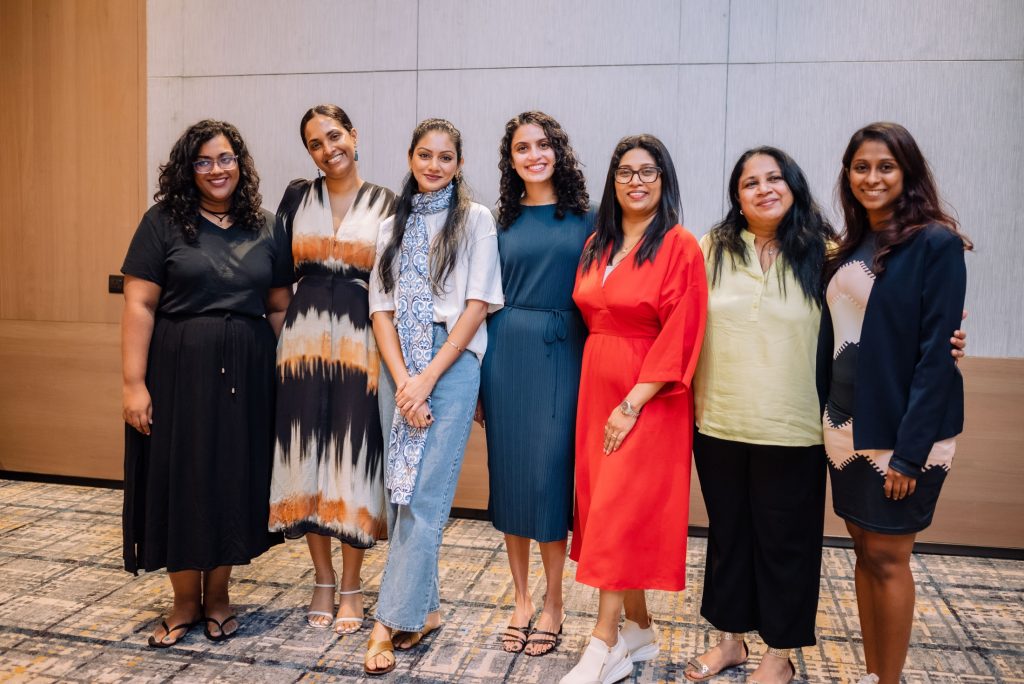
Sri Lankan alumna Udara (middle) with fellow participants in the 2025 Women in Leadership Development Short Course.
Reflecting on the impact of the workshop, Sri Lankan alumna Udara Cumaratunga said, “This session was both interesting and insightful. It provided a clear breakdown of the different types of resistance and discussed practical approaches to addressing them.”
Nepali alum Nisha Singh acknowledged the mindset shift encouraged during the workshop and said, “If you are dealing with resistance, think about it as a pathway to initiate change. Instead of viewing it as a setback, it’s better to see it as an opportunity for dialogue, learning and growth.”